Camping gear

See all tips to
GreenYour Camping gear

Wear eco-friendly outdoor clothes

Add
This feature is only available to GreenYour members. Please sign-up.

Suit up sustainably with clothes made from recycled soda bottles, soy, hemp, organic cotton, and bamboo, and you’ll be well on your way to reducing your gear’s impact on the environment.

Find it! Eco-friendly outdoor clothing

New materials for outdoor apparel include CoCoNa, a coconut husk fiber that’s said to provide UV protection and odor management, while being quick-to-dry; Tofutech™, a natural soy fabric that’s wrinkle-, odor-, and bacteria-resistant; TENCEL®/Lyocell, a wood pulp cellulose fiber that absorbs liquid and quickly releases it again; and Modal, a super soft, infinitely washable fiber made from beech wood cellulose.

Wearing eco-friendly outdoor clothes helps you go green because…

  • Natural fibers like soy, bamboo, hemp, organic cotton, and wool reduce our dependency on non-renewable oil products often found in outdoor clothing.
  • Organic cotton farming keeps thousands of pounds of toxic pesticides and insecticides out of the environment each year, and combats global warming through carbon sequestration.

Responding to demands from their consumers, outdoor clothing manufacturers have begun to create green clothing made from recycled materials and organic fibers.[1] Patagonia, perhaps the first company to get in on the outdoor eco-clothing movement,[2] first introduced fleece made from recycled plastic bottles, saving an estimated 86 million bottles from going to landfills to date.[3] Timberland, another industry leader, now makes shoes and boots using recycled rubber and less energy, adding “nutritional labels” to each finished piece.[4] And many other companies have joined the change to eco-friendly fibers for outdoor clothing.

The debate over which is eco-superior—natural or synthetic—has lead some to conclude that it’s a wash.[5] The entire lifecycle of any fiber must be considered when evaluating it’s eco-friendliness—how it’s produced, processed, and recycled (if at all), it’s lifespan, ongoing care, and so on. Ultimately, the greenest clothing choice may be the one that’s treated least with chemicals, the longest-lasting, and the one best suited to the task at hand.

Natural fibers

Cotton and wool

Cotton farming uses only about 3 percent of the farmland around the world, but consumes 25 percent of all chemical pesticides and fertilizers. Conventional cotton production relies on vast amounts of hazardous synthetic chemicals, including pesticides, fertilizers, fixers, and dyes.[6] Conventional wool production also involves the use of pesticides on pastures and chemicals in the feed.[7]

Insects are quickly becoming resistant to recommended rates of pesticide application, and ever increasing amounts are needed be effective.[8] Billions of pounds of nitrogen synthetic fertilizers are also used, resulting in runoff that can create aquatic "dead zones" in waterways. Due to cotton's natural resistance to dyes, roughly half the chemicals used as dyes or fixers end up as waste in rivers and soil.[9] Chlorine bleaching releases carcinogenic dioxins. Permanent-press and stain- and water-repellent finishes can offgas formaldehyde, and their manufacture releases perfluorochemicals (PFCs) into the environment.[10]

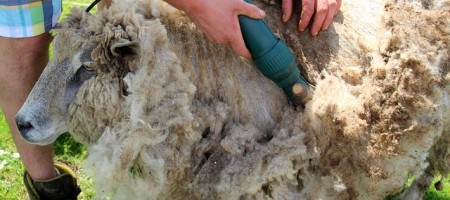
Organic cotton is pesticide-free, [11] while organic wool is produced without using hormones or pesticides in the animal or its food. Since pure wool is naturally fire resistant, fire retardant chemicals are not required.[7] Wool is a sustainable resource because the sheep are not killed; they are merely shorn each year.

Hemp

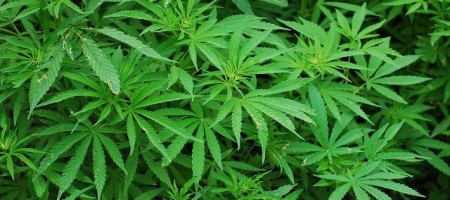
Despite the controversy surrounding hemp's status as a legal crop—especially in the United States where it is considered a Schedule 1 controlled substance like marijuana—[12] it is an earth-friendly alternative to conventional cotton. Hemp produces three times as much fiber per acre as cotton. Like cotton, hemp requires water and fertilizer to grow but it doesn't need to be treated with pesticides or herbicides.[13] The farming of hemp benefits overall soil conditions by adding nutrients, fostering microbial life, and eradicating weed growth.

In contrast to the dearth of industrial hemp farming in the United States, the European Union initiated a program in the 1990s that provides hemp farmers with subsidies to encourage hemp fiber production. Over the last several years, the leading exporters of processed hemp fiber to the United States have been Romania, Poland, China, India, Canada, and the Philippines.[14]

Bamboo

Bamboo fiber, a natural fiber spun from the pulp of bamboo grass, resembles cotton in its unspun state.[15] However, that's where the similarities end as bamboo is considered a sustainable crop. It doesn't require the use of pesticides or fertilizers, needs little water, and is a self-renewing plant, meaning that new shoots grow on an uninterrupted basis. Bamboo also releases a great deal of oxygen into the air—even more than trees—helping to lower levels of carbon dioxide and curb soil erosion.[16]

The same natural antifungal, antibacterial agent found in bamboo plants that acts as a sort of internal pesticide (called "Bamboo kun") is also useful in bamboo clothing, controlling bacteria growth on the skin, as well as moisture levels.[17] This is especially beneficial for those prone to night sweats and for athletes. Bamboo fabric is a natural insulator and can be worn in both the summer to keep cool and the winter to keep warm.[15]

Soy

Soybean-derived fiber—dubbed "vegetable cashmere"—begins as a waste byproduct from the manufacturing of edible soy products such as tofu, soy milk, and soybean oil, making it a completely natural and renewable resource.[18][19] The resulting fabric is silk-like in texture, retains heat well, and is both easy to care for and durable. On the downside, like cotton, a large percentage of soybean crops—around 80 percent—are GMO.[20] Soy fiber has been used in the past as a textile, but made a reemergence on the fashion scene only recently with new production advancements from China.[18]

Synthetic fibers

Many outdoor gear manufacturers add chemical treatments such as GORE-TEX and Teflon to fabrics in order to help repel insects, water, and odors. According to the Environmental Working Group (EWG), fabrics treated with such chemicals can break down in the environment or in the human body. [21][22] Scientific studies have identified 15 PFCs in human blood, and one 2001 industry study of six PFCs in human blood identified four PFCs at higher levels in children than in adults.[22]

One PFC[23]—sometimes known as “C8”—has been found at low levels both in the blood of the general US population and in the environment. Perfluorooctanoic acid (PFOA) is used to make fluoropolymers, substances used in breathable, all-weather clothing. Although the US Environmental Protection Agency (EPA) does not currently believe there is any reason for consumers to stop using products containing PFOA, it has called on companies to reduce facility emissions and product content of PFOA and related chemicals by 95 percent by 2010, and to work toward eliminating emissions and product content by 2015.[24]

Controversies

Consumer quandaries

There’ll be downsides regardless of the clothing materials employed, but some argue that the advantages of so-called “green” materials like organic cotton and hemp are minor. For instance, organic cotton, although grown without the exorbitant pesticides employed in conventional crops, still requires a lot of irrigation in its production, and enormous quantities of dyes during the processing stage.[25] Hemp and bamboo are also naturally tough resources, requiring chemicals to soften them into fibers suitable for fabric products.[26] Some argue that natural fibers such as organic cotton and bamboo have shorter lifespans than synthetics (especially when tumbled-dry) and require more water and energy to wash and dry.[27]

Polyester, on the other hand, is produced using less water, resists stains (thereby requiring less laundering), and dries quickly (can even be air-dried in humid climes). It can be recycled, but few facilities exist. The downsides? It requires more wood and oil to produce, which adds to the growing climate change problem.[25] Many poly-products can’t be washed, but require dry cleaning instead, a process rife with eco-concerns.[5] And though products made from recycled pop bottles keep usable products out of landfills, their production often involves shipping spent containers from the US to far-flung countries to be processed, only to then be shipped back to the US for sale, racking up loads of air miles and carbon emission in the process.[28]

Hemp and marijuana

Hemp and marijuana are both members of the plant species Cannabis sativa and have both been considered Schedule 1 controlled substances in the United States since the late 1950s.[12] While it is a crime to grow all forms of cannabis in the United States, it is not illegal to sell hemp products such as paper and clothing. Cannabis grown for industrial purposes—hemp—and cannabis grown for recreational and medicinal uses—marijuana—have a different biological makeup. Both contain two distinct "cannabinoids:" the psychoactive THC and the antipsychoactive CBD. Industrial hemp contains high levels of CBD and low levels—less than 1 percent—of THC, while the makeup of marijuana is the reverse. It is nearly impossible to achieve a narcotic high from smoking hemp.[29]

There are movements in the United States on both national and state levels to reintroduce industrial hemp as an agriculturally viable crop. Hemp advocates note the plant's potential as an alternative to tree-based paper, cotton-based clothing, and other items whose production poses environmental risks. The US Drug Enforcement Administration (DEA) and other opposing parties believe that if the ban on hemp farming is lifted it would become easier to grow marijuana alongside it. It is also often assumed that those who support industrial hemp farming are part of a marijuana legalization subculture.[30]

Related health issues

Though gear companies making water-repellent products stress their desire to minimize the health impacts of their clothing, slick finishes, like those made famous by GORE-TEX, pose significant hazards. Though some environmentally-persistent perfluorochemicals (PFCs), such as perfluorooctane sulfonate (PFOS), were phased out of US products in 2000, some outdoor gear is still made with perfluorooctanoic acid (PFOA), a likely human carcinogen. More eco-friendly (and healthy) options include recycled polyester and polyurethane (though this is a non-renewable petroleum product).[31]

Glossary

  • genetically modified organism: A GMO is created by merging the genetic make-up of two organisms, resulting in a desired byproduct that could otherwise not be found in nature. Engineering GMOs is a common practice in conventional farming, and studies have shown that GMOs pose significant environmental risks such as killing off living, natural organisms and becoming immune to pesticides.[32]

External links

Footnotes

  1. CNN.com - Eco-friendly gear for outdoor lovers
  2. FastCompany.com - Measuring Footprints
  3. TreeHugger - Patagonia's Infurno jacket (and friend)
  4. msnbc - Outdoor lovers create market for green clothing: Gear producers make inroads with recycled materials, reduced packaging
  5. Grist - The Environmentalist's New Clothes
  6. Sustainable Cotton, see third paragraph
  7. Green Home - About Mattresses and Futons
  8. EcoBedroom - Cotton: Conventional versus Organic
  9. The Green Guide - Product Report: Mattresses and Box Springs
  10. The Green Guide - The Eco-nomical Bedroom
  11. The Green Guide - Greener Workout Wear
  12. Globalhemp.com - Industrial Hemp Investigative and Advisory Task Force Report
  13. Industrial Hemp: For A Better Tomorrow - Environmental Beneftis of Industrial Hemp
  14. Federation of American Scientists - CRS Report for Congress: Hemp as an Agricultural Commodity
  15. wiseGEEK - What is Bamboo Fabric?
  16. Buy Organic - Benefits of Bamboo Clothing
  17. TreeHugger - Bamboo Sheets Keep Germs Out of Bed
  18. Hong Kong Trade Development Council - Green Sleeves: Eco-friendly Incentive Clothing
  19. Managesmarter.com - Green Sleeves: Eco-friendly Incentive Clothing
  20. Ideal Bite - Wanna wear your love for soy on your sleeve?
  21. Environmental Health Information - Perfluorochemicals and Health (PFCs)
  22. Environmental Working Group - PFCs: Global Contaminants - PFOA is a pervasive pollutant in human blood, as are other PFCs
  23. US Environmental Protection Agency - Perfluorooctanoic Acid (PFOA) and Fluorinated Telomers: Perfluorooctanoic Acid (PFOA)
  24. US Environmental Protection Agency - Perfluorooctanoic Acid (PFOA) and Fluorinated Telomers: 2010/15 PFOA Stewardship Program
  25. Articlebase - Sustainable Fashion: Polyester Vs Cotton
  26. New York Times - A World Consumed by Guilt
  27. University of Cambridge, Institute for Manufacturing - Well dressed? The present and future sustainability of clothing and textiles in the United Kingdom Page 43
  28. New York Times - A World Consumed by Guilt
  29. Arizona Industrial Hemp Council - Hemp vs. Marijuana
  30. Conscious Choice - Hey Dea, Hemp is Not Marijuana
  31. The Green Guide - Reliable Rainwear
  32. ProQuest CSA - Genetically Modified Foods: Harmful or Helpful?

Comments

Sign In / Sign Up to Comment

Share Your Comments