Sweater

See all tips to
GreenYour Sweater

Choose eco-friendly fiber sweaters

Add
This feature is only available to GreenYour members. Please sign-up.

Even if the sources—hemp, bamboo, soy, cashmere, or alpaca fleece—give you pause when choosing an eco-friendly fiber sweater, rest assured, these fibers are all sustainable substitutes for pesticide- and water-intensive cotton.

Find it! Eco-friendly fiber sweaters

Eco-ethical consumers seeking out sweaters made from non-cotton fibers may find they come from the most unlikely places: a cuddly-looking cousin-of-the-camel, the much-maligned cannabis plant, a Mongolian goat, the edamame that accompanied your sushi dinner last night, and panda vittles. While sweaters crafted from fibers like hemp, bamboo, soy, cashmere, and alpaca fleece may seem a bit novel, they’re an increasingly viable alternative to cotton garments. Check out these fashion-forward designers and e-merchants.

Before you buy

Costly alternatives?: The farming of industrial hemp in the United States has been virtually banned by the federal government for decades because of its similarity to marijuana and must be imported from countries such as England, Germany, and Canada.[1] Bamboo is primarily grown in China's Zhejiang Province although it is grown domestically for commercial purposes on a much smaller scale in Alabama, Georgia, and Mississippi.[2] Cashmere, long considered a luxury fabric, is collected from goats in far-flung locales such as Mongolia and produced primarily in China, as well as in Scotland (and even in the US, which has a small domestic cashmere industry). For these reasons, the environmental costs of transporting bamboo, hemp, and cashmere long distances should be considered and higher retail prices (in comparison to conventional cotton clothing) should be expected. In the case of soy, using the fiber for clothing isn't exactly a new idea—soy-supporter Henry Ford sported a suit and tie made from the legume in the 1940s—but its arrival on the current fashion scene is new.

Expect limited availability and high prices. Fiber taken from alpacas—a relative of the llama that's native to South America but also raised in North America—is somewhat common—albeit a bit of a novelty) in sweater production. Check to see if the garment is imported—alpaca fiber clothing from Peru or other nations is the most "authentic"—or domestically produced if concerned about the environmental costs of its transportation.

Sweater blend considerations: A sweater made from hemp, bamboo, soy, cashmere, or alpaca fibers may or may not be exclusively made from that fabric. Often, designers use fabric blends, usually incorporating cotton. Although organic cotton is typically used to make the garment 100 percent "natural" this isn't a steadfast rule.

Choosing eco-friendly fiber sweaters helps you go green because…

  • Cotton, particularly conventional cotton, is grown using unsustainable farming methods, calling for large amounts of chemical pesticides and fertilizers, as well as water. Fabrics made from hemp, bamboo, soy, cashmere, and alpaca fibers, for the most part, do not compromise human health or the environment during production.

The detrimental environmental impact of the sweater and other types of clothing is rooted in the farming of conventional cotton, considered to be the world's most pesticide-intensive crop. In 1996, 38 percent of sweaters sold in the United States were made of cotton fiber.[3] The various chemicals used to treat conventional cotton can harm beneficial insects and soil micro-organisms, pollute ground and surface water, and adversely affect the health of humans and wildlife—including fish, birds, and livestock.[4] Additionally, up to 70 percent genetically modified organism (GMO) seeds are used in conventional cotton farming in the United States.[5]

The farming of cotton is also water-intensive. Approximately 400 gallons of water are required to produce a single cotton T-shirt, this figure being much higher for a sweater or sweatshirt.[6] Organic cotton farming is not exempt from this reality either. Organic cotton may be chemical-free, but its production still requires significant amounts of irrigated water[7] (though on the plus side, water supplies aren't at risk of being contaminated).

Eco-friendly alternatives

But there are other sweater options, including those made from hemp, bamboo, cashmere, alpaca, and even soy!

Hemp

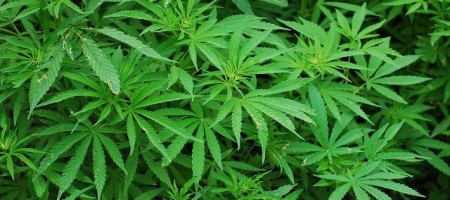
Despite the controversy surrounding hemp's status as a legal crop—especially in the United States where it is considered a Schedule 1 controlled substance like marijuana—it is an earth-friendly alternative to conventional cotton.[8] Hemp produces three times as much fiber per acre as cotton. Like cotton, hemp requires water and fertilizer to grow but it doesn't need to be treated with pesticides or herbicides.[9] The farming of hemp benefits overall soil conditions by adding nutrients, fostering microbial life, and eradicating weed growth.

In contrast to the dearth of industrial hemp farming in the United States, the European Union initiated a program in the 1990s that provides hemp farmers with subsidies to encourage hemp fiber production. Over the last several years, the leading exporters of processed hemp fiber to the United States have been Romania, Poland, China, India, Canada, and the Philippines.[10]

Bamboo

Bamboo fiber, a natural fiber spun from the pulp of bamboo grass, resembles cotton in its unspun state.[11] However, that's where the similarities end as bamboo is considered a sustainable crop. It doesn't require the use of pesticides or fertilizers, needs little water, and is a self-renewing plant, meaning that new shoots grow on an uninterrupted basis. Bamboo also releases a great deal of oxygen into the air—even more than trees—helping to lower levels of carbon dioxide and curb soil erosion.[12]

The same natural antifungal, antibacterial agent found in bamboo plants that acts as a sort of internal pesticide (called "Bamboo kun") is also useful in bamboo clothing, controlling bacteria growth on the skin, as well as moisture levels.[13] This is especially beneficial for those prone to night sweats and for athletes. Bamboo fabric is a natural insulator and can be worn in both the summer to keep cool and the winter to keep warm.[14]

Soy

Soybean-derived fiber —dubbed "vegetable cashmere"—begins as a waste byproduct from the manufacturing of edible soy products such as tofu, soy milk, and soybean oil, making it a completely natural and renewable resource.[15] The resulting fabric is silk-like in texture, retains heat well, and is both easy to care for and durable. On the downside, like cotton, a large percentage of soybean crops—around 80 percent—are GMO.[16] Soy fiber has been used in the past as a textile, but made a reemergence on the fashion scene only recently with new production advancements from China.[17]

Cashmere

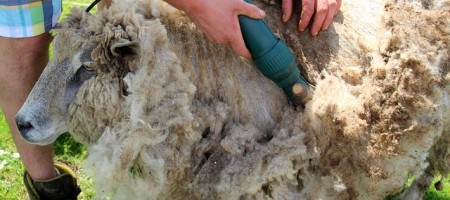
The "diamond of fiber” is a super-sustainable product but has traditionally carried a high price tag and a reputation for being up-market because of its rarity and quality—the fiber is collected once a year (usually by combing) from the coat of the native-to-Asia cashmere goat. Two to three goats are required to produce a single cashmere sweater.[18] China is the leading producer of cashmere—over 12,000 tons annually—and produces not only domestically collected cashmere but fiber imported from countries like Mongolia.[18]

Alpaca fiber

The fiber, or fleece, that comes from the curious-looking, cud-chewing alpaca is hypoallergenic, softer than cashmere, warmer than wool,[19] and a naturally sustainable material given that alpacas are simply shorn, like sheep, and not killed. Additionally, alpacas are inherently eco-friendly animals that pose minimal environmental risk compared to other types of farm animals. For example, they don't eat and/or destroy trees, plus they consume little water and eat less than other animals, converting hay and grass into energy through a three-compartment stomach. The alpaca’s padded feet also tread lightly on delicate terrains. In addition, alpaca dung is an effective composting element that can be used to fertilize fruits and vegetables.[20] First introduced to the United States in 1984 from their native South America (the Andean mountain range), there are now over 100,000 registered alpacas in North America. [19]

Controversies

Despite their eco-advantages, some environmentally friendly fibers have drawbacks.

Cashmere

Although cashmere fiber is natural and long-lasting (and thus sustainable), it does pose an environmental hazard. As recent demands for reasonably priced imported cashmere clothing grows, more and more goats enter the cashmere “production line" and Chinese grasslands, once used for grazing, are transformed into deserts. As a result, there have been an increasing number of massive dust storms that originate in these deserts. In 1998, a dust storm that began in China and Mongolia reached North America and prompted air pollution warnings in Washington, Oregon, Idaho, and British Columbia. [21]

Hemp and marijuana

Hemp and marijuana are both members of the plant species Cannabis sativa and have both been considered Schedule 1 controlled substances in the United States since the late 1950s.[22] While it is a crime to grow all forms of cannabis in the United States, it is not illegal to sell hemp products such as paper and clothing. Cannabis grown for industrial purposes—hemp—and cannabis grown for recreational and medicinal uses—marijuana—have a different biological makeup. Both contain two distinct "cannabinoids:" the psychoactive THC and the antipsychoactive CBD. Industrial hemp contains high levels of CBD and low levels—less than 1 percent of THC, while the makeup of marijuana is the reverse. It is nearly impossible to achieve a narcotic high from smoking hemp.[23]

There are movements in the United States on both national and state levels to reintroduce industrial hemp as an agriculturally viable crop. Hemp advocates note the plant's potential as an alternative to tree-based paper, cotton-based clothing, and other items whose production poses environmental risks. The US Drug Enforcement Administration (DEA) and other opposing parties believe that if the ban on hemp farming is lifted it would become easier to grow marijuana alongside it. It is also often assumed that those who support industrial hemp farming are part of a marijuana legalization subculture.[24]

Bamboo

There are several challenges facing bamboo's reputation as an eco-fiber. The growth in popularity of bamboo products has been detrimental to the natural forests in countries where bamboo grows. Existing forests are often cut down and replaced with bamboo plantations, negatively impacting biodiversity. Bamboo can be "over-managed" with chemical weeding and periodic tilling of the land to clear undergrowth. These practices increase erosion and produce a single-species plantation over large areas.

Although bamboo traditionally does not require pesticide and fertilizers, unless it is certified organic, you can’t be sure. In some growing areas, the intensive use of pesticides, weed killers, and fertilizers also affects the environment by releasing toxins into soil and waterways. For textiles, there are no guidelines comparable to Forest Stewardship Council (FSC) certified wood, which insures that a forest has been harvested in a sustainable fashion. However, FSC has begun limited certification of bamboo for wood products.

Glossary

  • genetically modified organism (GMO): Created by merging the genetic make-up of two organisms, resulting in a desired byproduct that could otherwise not be found in nature. Engineering GMOs is a common practice in conventional farming, and studies have shown that GMOs pose significant environmental risks such as killing off living, natural organisms and becoming immune to pesticides.

External Links

Comments

Sign In / Sign Up to Comment

Share Your Comments